

A Collaboration of Mathematics and Biology to Complement Clinical Training: UW Resident Studies Single-Cell Technologies at NITMB
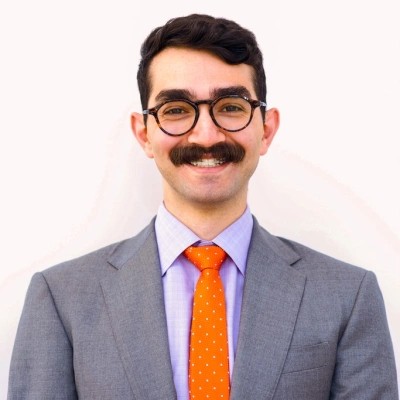
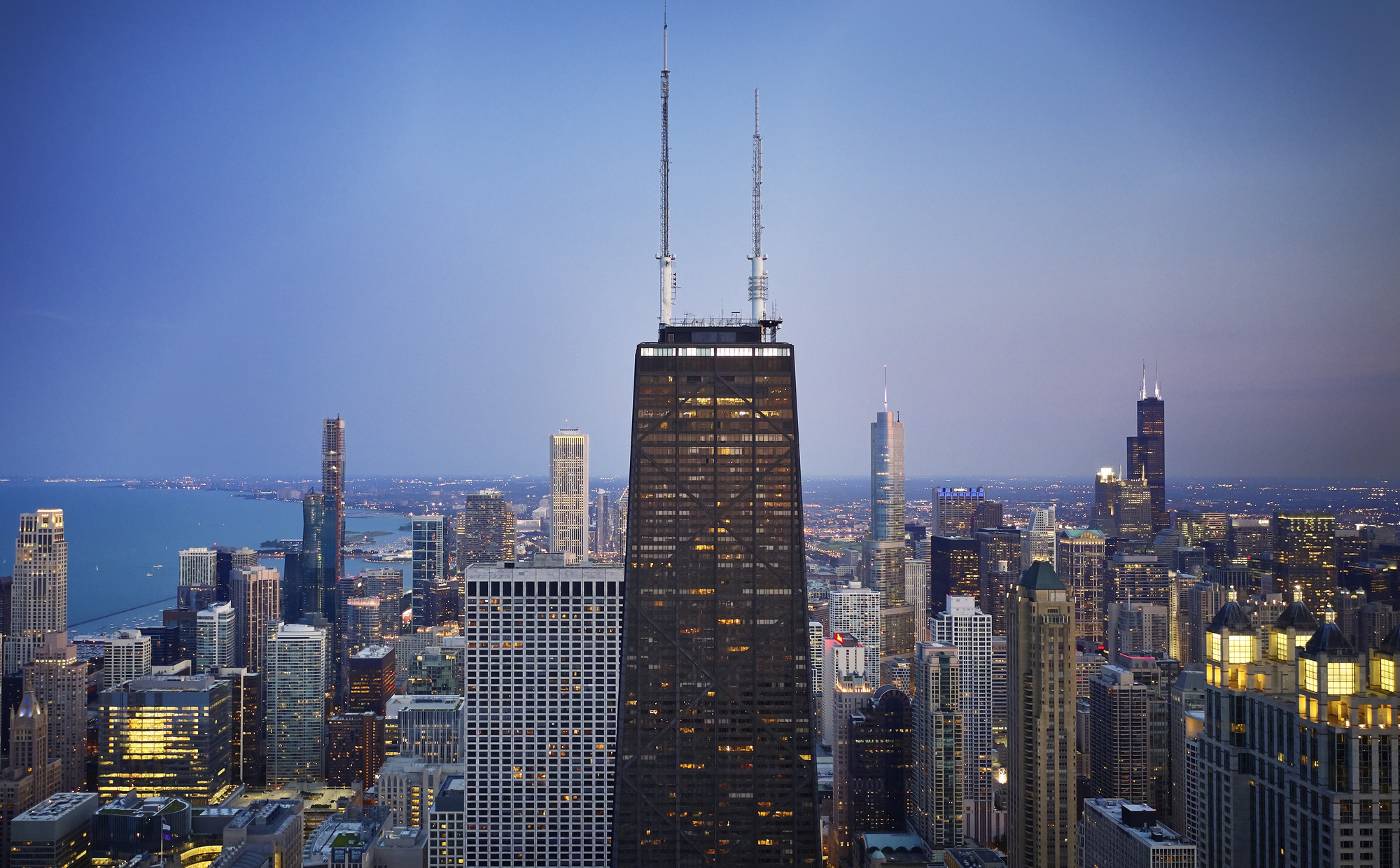
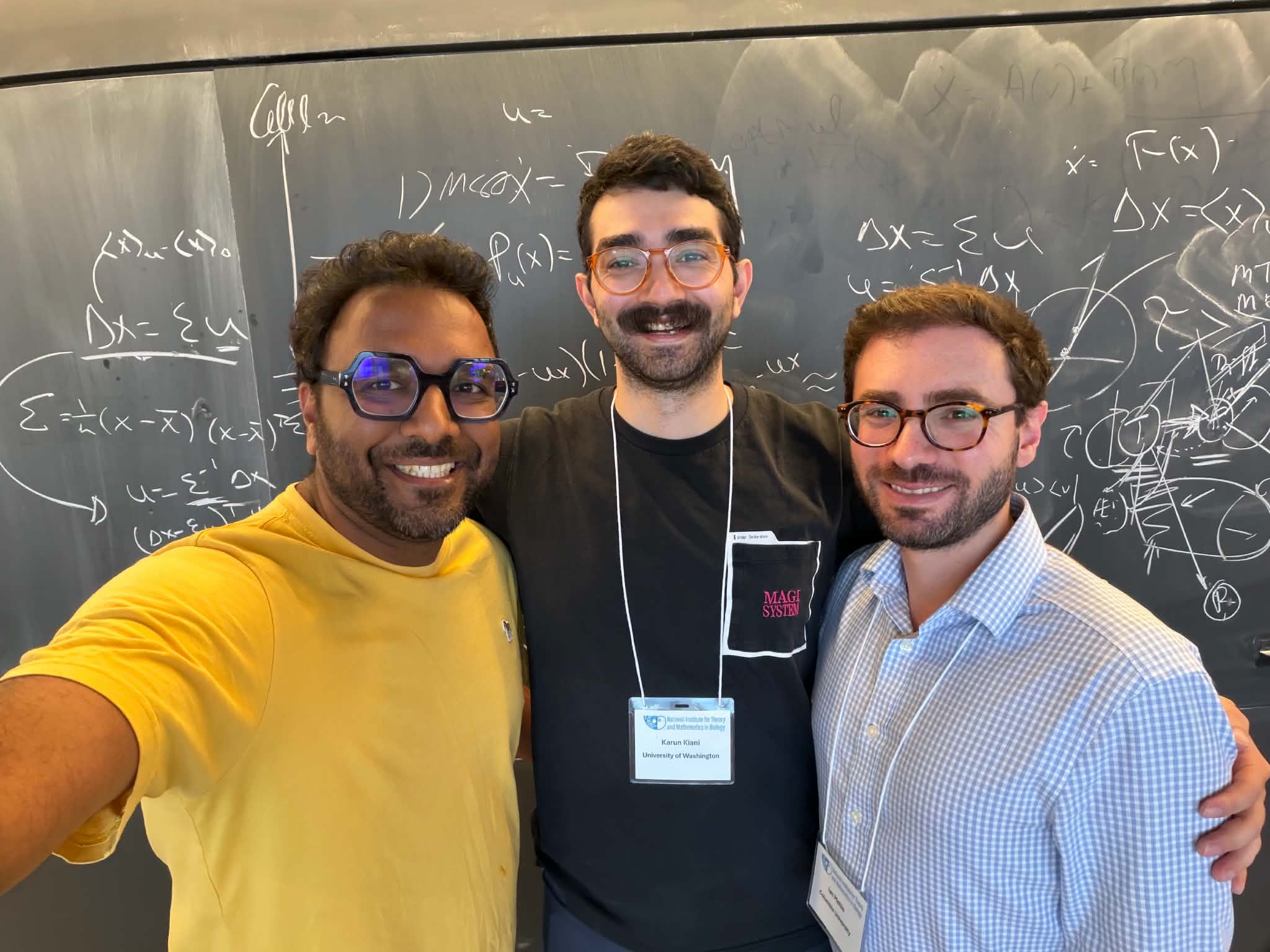
This summer, Karun Kiani, MD, PhD, a second-year resident, spent a week in Chicago, IL, learning from and collaborating with biologists, mathematicians, and physicists. As part of Dr Kiani’s career development with the UW Dermatology Residency Program, he attended a workshop at the National Institute for Theory and Mathematics in Biology (NITMB).
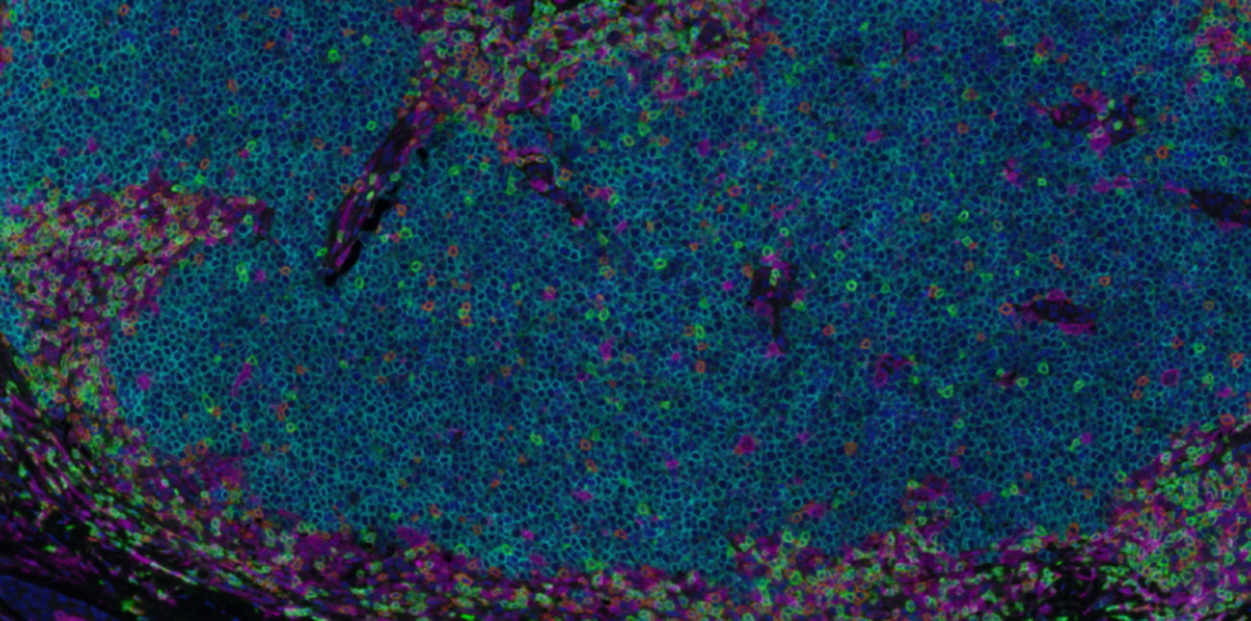
The workshop titled "Cell State Transitions and Fate (in)Decisions" focused on single-cell technologies like single-cell RNA sequencing and how they are shaping our understanding of biology and disease states, ranging from stem cells to melanoma.
“I was interested in learning more as single-cell technologies have become central to understanding disease biology, like uncovering new mechanisms behind therapies like JAK inhibitors. Dermatology is uniquely positioned for this kind of work because skin is such an accessible tissue to study directly. This workshop was a chance to step into a more scientific, research-driven mode of thinking, distinct from the framework I use in my clinical role,” said Dr. Kiani.
NITMB's mission is to create a nationwide collaborative research community that will generate new mathematical results and uncover the “rules of life” through theories, data-informed mathematical models, and computational and statistical tools. Their goal is to train the next generation of interdisciplinary scientists through their targeted research.
What did you enjoy most?
What I enjoyed most was the mix of people in the room. I got to reconnect with former colleagues from graduate school while also meeting new people from a wide variety of backgrounds, including mathematics, physics, computer science, and biology, all working on the same core problem from completely different angles. The range of perspectives made for some exciting conversation and spirited debate.
Separate from the academics, I was fortunate enough to spend an afternoon at the Art Institute of Chicago perusing the many galleries and seeing a lot of very cool pieces.
What were the important takeaways?
The biggest takeaway was seeing how much rigor and structure can be brought to a concept like "cell state" that we often treat loosely, and the underlying assumptions — whether implicit or explicit we make in studying these problems. It sharpened how I think about plasticity and transition states and gave me new quantitative tools and vocabulary to bring back to how I think about disease biology in skin.
What did having this experience as part of your residency training add to your education?
This experience broadened my quantitative toolkit and gave me exposure to a scientific, research-oriented way of thinking that complements the clinical training I get day to day. Being able to engage with disease biology through a more mathematical and computational lens is a perspective I don't get regularly in residency, and it's one I think will keep shaping how I approach research going forward.
John E. Olerud Dermatology Resident & Fellow Fund for Career Development
Our goal in the UW Dermatology Residency Program is to offer career development opportunities that grow and challenge our residents and that make a positive impact on patient care and research.
Honoring the career of Dr. John E. Olerud, Professor Emeritus and former Division Head, this fund supports a range of professional development opportunities for residents and fellows in the Department of Dermatology, including but not limited to:
- Elective rotations, including those outside the UW Department of Dermatology or the University of Washington School of Medicine
- Research experiences and related expenses
- Domestic or international travel to other institutions for educational purposes
We invite you to give a gift in support of this fund and help shape the future of education at UW Dermatology.