

Pride Month Spotlight
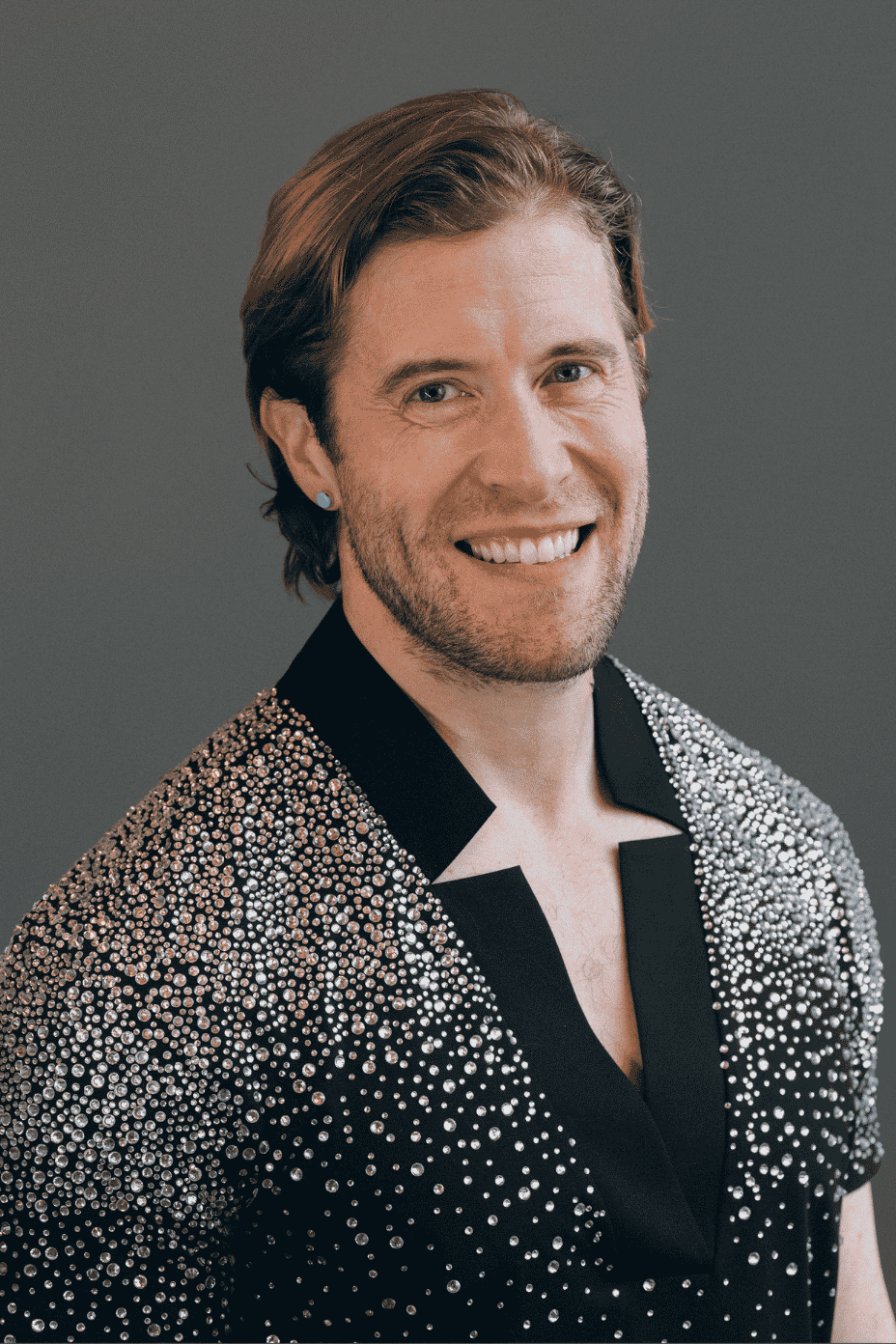
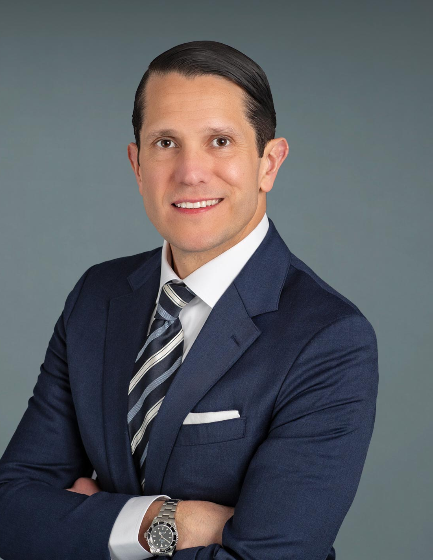
Markus Boos, MD, PhD
Professor, Department of Pediatrics
Adjunct Professor, Department of Dermatology
Director, Dermatology Residency Program
Pediatric Dermatologist at Seattle Children's Hospital
 Tell us about your role with the UW Dermatology department and Seattle Children’s.
I have two major roles in the UW system. My first and primary position is as a staff dermatologist at Seattle Children’s, where I care for patients with a variety of skin conditions in both the outpatient and inpatient settings. I also teach trainees in this capacity.
I am also the director of the University of Washington Dermatology residency program. In this role I help oversee the clinical training and education of our residents at each of the UW hospital locations in which they practice (including Harborview Medical Center, UW Montlake, the VA, and Fred Hutch Cancer Center, in addition to Seattle Children's Hospital). I like to think of these roles as sharing a common theme: I really enjoy investing in people to help them achieve their goals.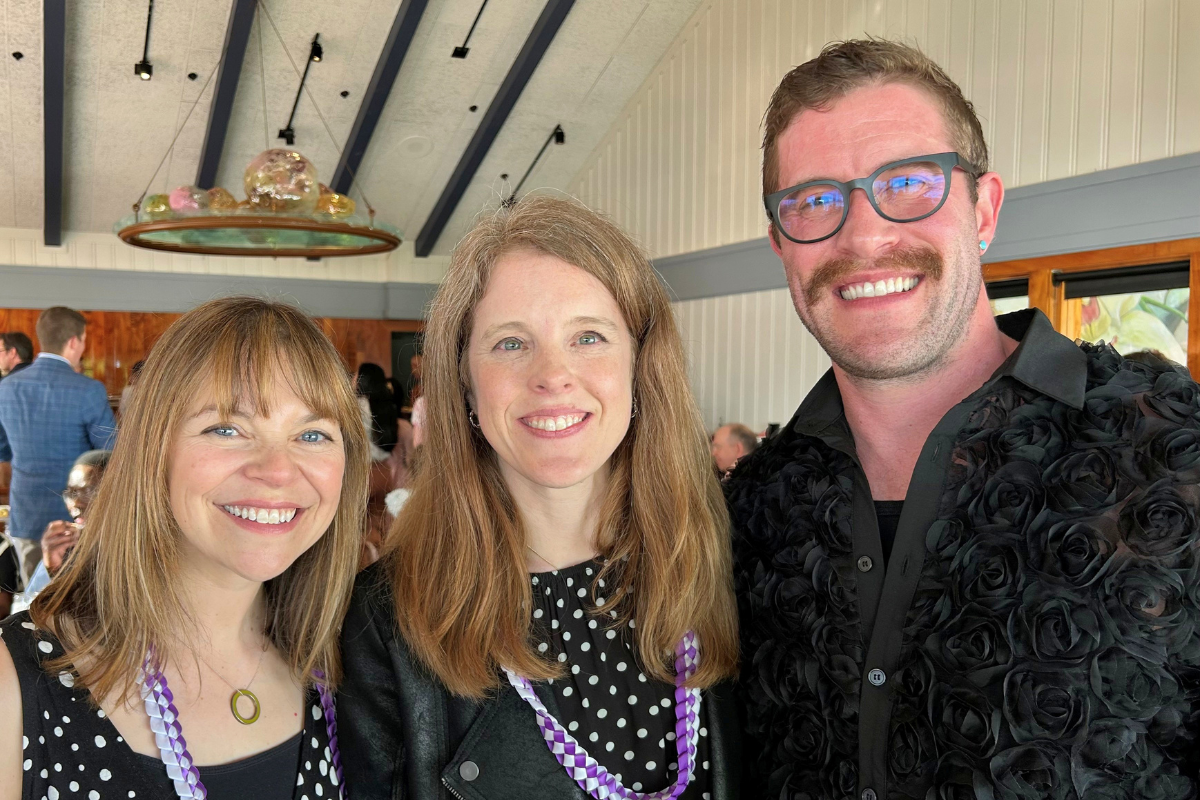
What inspired you to pursue a career in dermatology and pediatrics?
I always suspected I might like dermatology because of own experiences in the dermatology clinic (my mom had melanoma when I was a teenager and that ushered me into a life of yearly skin checks); I also have always been interested in our immune system (I have a PhD in Immunology). Dermatology was a nice way to blend that clinical interest with my background nerdiness in a way that felt personal and meaningful to me and my family.
Pediatrics came as a surprise to me in my medical training, however. Really what it comes down to is that I just think kids are fun to work with. My own teenage sons think I’m “cringe”, as the children say, but I think being goofy and really connecting with kids on a level that makes them feel safe in a vulnerable environment is such a gratifying thing to be able to do. When I became a parent, I felt that I understood the parents that I worked with even better, and I realized that I love being a source of comfort and knowledge to them, too. Parenting can be such a lonely experience and often as parents we feel like we’re doing it all wrong. Hopefully I make that a little bit easier, at least when it comes to caring for their child’s skin.
What are you passionate about when it comes to LGBTQIA+ healthcare?
I think it’s important in my roles to help people feel seen. To bring it back to vulnerability, children and teenagers who might be figuring out their sexual orientation or gender identity are already going through a challenging period of their lives. Then you add a visible medical condition on top of it, and it is a potential recipe for a lot of stress or anxiety. I hope that the healthcare that I provide to LGBTQIA+ (queer) kids (whether their condition is related to their sexual orientation or gender identity or not) makes them feel seen and cared for. I hope my clinical space is a place that kids who might not be having an easy time of it (and to be clear, many queer kids have loving and supportive families) can see that they are respected and that it is okay for them to be themselves. That was a huge challenge for me growing up, and if I can make one child’s life easier, then I am grateful.
I also am grateful that I occupy a leadership position in dermatology at UW; this has also made me more visible nationally. I think it’s important for queer trainees to see themselves represented in positions of leadership, so they know that they can occupy those roles in their future, as well. I hope in all aspects of my professional career that I show others that being gay and being yourself can lead to a very positive and productive life.
"Markus brings an authentic and open presence to the program, fostering a culture within the residency program where trainees feel safe, supported, and encouraged to be their best selves," Steph Timm, Assistant Director, Education & Training Program Operations
How has your personal journey as a member of the LGBTQIA+ community influenced your approach to patient care, teaching, and mentorship?
Well, I came out very late in life, when I was 37. In some respects that made things easier, in other ways it made it harder, but it gave me an appreciation for the social forces that tell people that it’s not okay for you to be yourself. I am grateful for my life, even though there were many challenging moments along the way, but I wish that someone had told me earlier that it was okay for me to just be myself, and to not feel bad about my sexual orientation. I try to apply a variation of that lesson to all the kids that I care for—whether it is the transgender child, the teenage girl who hates her acne, the child who feels misunderstood in school, or the young adult with a rare skin condition. These individuals are all special people who deserve to be treated with respect and loved for who they are. I don’t want anyone in my clinic to feel ashamed of their identity or their skin condition. I’m here to let them know they are perfect the way they are, but if they want to clear up their skin, I’m here to help. 😊
What are some of the unique healthcare needs that LGBTQIA+ patients face in dermatology and pediatrics?
In my work with queer children, the situation I am most frequently called on to help with is managing acne in transgender young men on testosterone therapy. Testosterone often flares or induces acne in transgender boys and there are unique considerations in the management of acne in this group, so it is an important practice gap that I can fill.
How do you create a welcoming and affirming environment for LGBTQIA+ patients?
I just try to be myself. I am proud of my clinical acumen and my abilities as a doctor, but what I am most proud of is that I am my authentic self when I’m in clinic. Again, this may be seen as “cringey”, but I wear my heart on my sleeve in my work. I am so happy and proud of my patients when we clear their skin, I will comfort parents when their infant is diagnosed with a challenging condition, I am sad when a patient of mine has a setback in school or with their health, and I am often moved to tears when parents or patients express their gratitude for how I have helped them. I think this may sometimes come as a surprise to families because I am a relatively “buff”, larger man so they may not anticipate that level of expressiveness.
I like to think there is a certain “realness” to me that allows people to express themselves in the same way without fear of judgement from me. Sometimes families ask me about my family and that is how many of them find out that I’m gay. I will also disclose my sexual orientation to queer children, so they know that they are with a member of their larger LGBTQ family that is going to look out for them. I will do everything that I can for any patient in my clinic, but I am uniquely attuned to the well-being of my queer patients and making them feel cared for and valued is important to me.
Can you recall a meaningful moment in your career where you felt your identity helped you connect with a patient and/or resident?
There’s probably too many to count, but I will just say broadly that I have worked with a number of transgender and nonbinary patients, and the fact that I’m a member of the LGBTQ community gave them some confidence that I was going to treat them kindly, with respect and that they would be included in decision making. I have a few patients in this category that I will never forget.
What does Pride mean to you?
Pride is a celebration of who we are as queer people, but fundamentally it is an acknowledgement that everyone is special in their own way, and we should all be celebrated. My life is better because of my husband, all the LGBTQIA+ friends and allies that I have, and the LGBTQIA+ kids that I have worked with. They have shown me so much bravery, resilience, kindness, and love. It’s impossible not to celebrate our community and to extend that love to people outside the community as well, if they are ready to accept it.